Headstone Cartech Blog
Headstone Cartech Blog

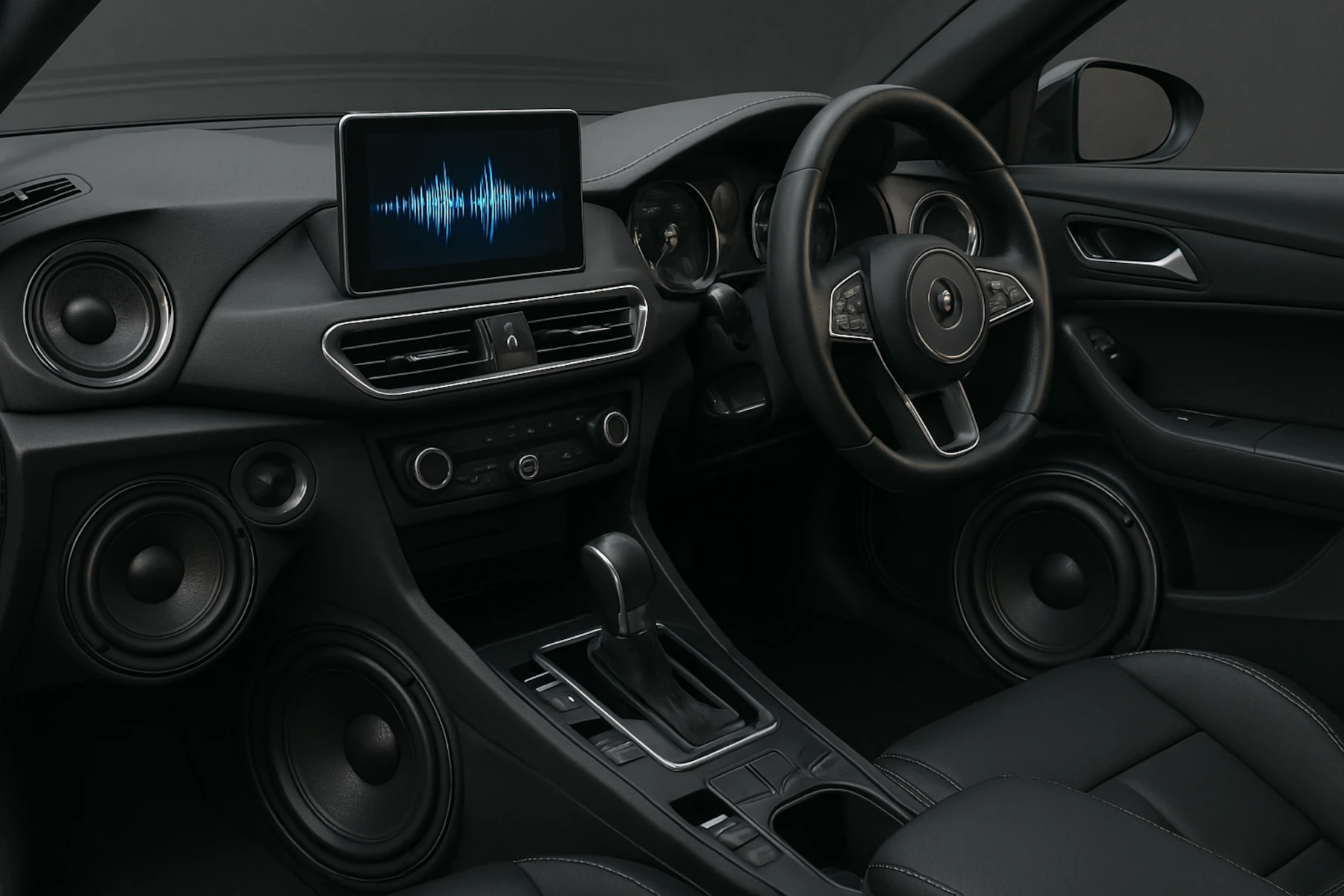
Many drivers think louder is better, yet you can craft great sound with the right setup. You should focus on proper tuning and speaker placement for the best clarity. Beware: excessive volume can damage your hearing and speakers. A quality head unit and amplifier bring rewards, and upgrading speakers and fitting a secure immobiliser or alarm helps protect your investment. Pair audio upgrades with a steering wheel lock, dashcam and alarm to deter theft and keep your system safe.
You can judge your car audio system quality by three measurable traits: frequency response, dynamic range and distortion. Typical good car systems aim for a flat response roughly 20 Hz–20 kHz, dynamic range above 90 dB, and total harmonic distortion under 1%. You will notice tighter bass and clearer vocals when low-frequency control and midrange accuracy improve. Road noise masking and speaker positioning also alter perceived soundstage more than headline wattage numbers.
Your head unit, speakers, amplifier and subwoofer form the signal chain. Look for speaker sensitivity around 85–92 dB (1 W/1 m) and match speaker impedance (2 Ω or 4 Ω) to amp RMS output to avoid damage. Class D amps suit subs for efficiency; class A/B is common for mids. DSP and crossovers refine band allocation. Protect visible gear with alarms, immobilisers or dashcams to reduce theft risk of premium units.
Applying door damping and floor insulation cuts unwanted noise and raises perceived fidelity: door kits typically shave 3–5 dB, full-cabin treatment can yield 8–12 dB reduction in road and tyre noise. You will then need less volume from your car audio system for the same clarity, preserving speaker life and reducing cabin fatigue. Use materials like butyl damping and MLV to target low-mid rumble.
Choose treatment layers for specific sources: butyl sheets on door skins kill panel vibration, foam in cavities absorbs mid and high frequencies, and mass-loaded vinyl blocks low-end intrusion. A complete fit-out can add around 10–25 kg depending on coverage, so factor weight into vehicle handling and fuel use. Combine soundproofing with a secure alarm or steering wheel lock to protect the investment in speakers and amplifiers.
Choose speakers by matching your car's mounting points, aiming for common sizes like 6.5in front and 6x9in rear; target 85–92 dB sensitivity and 25–75 W RMS per channel for clean midrange. Component sets separate tweeter and mid for clearer imaging, often improving detail by 3–6 dB versus coaxials. You can add a 10–12in sub with 200–500 W RMS for deep bass. The choice between coaxial and component affects your soundstage and installation complexity.
|
Size |
6.5in front; 6x9in rear |
|
Sensitivity |
85–92 dB |
|
RMS power |
25–75 W per channel (doors) |
|
Subwoofer |
10–12in; 200–500 W RMS |
|
Tweeter type |
Soft dome, metal or piezo; components include crossovers |
Modern car audio head units supply Apple CarPlay, Android Auto, Bluetooth aptX and USB audio while offering DSP and multiple RCA pre-outs; look for 4V preamp outputs to feed aftermarket amplifiers. Factory amps list 4 x 50 W peak but realistic power is about 14–18 W RMS per channel, so external amps raise fidelity. Integration adapters preserve steering wheel controls and link with your alarm or immobiliser.
Digital signal processing should include time alignment, adjustable crossovers and at least a 30-band or multiple parametric EQ; units with 24-bit/96 kHz DACs reduce noise and improve clarity. You can expect 4–6 pre-outs on higher-end units for multi-amp setups and camera inputs for reversing or dashcam feeds. Choose head units with CAN-bus adapters to keep vehicle security functions and telematics working with your new system.
You must size electrical components to match peak demands: a system putting out 1,000W RMS at 12V draws roughly 83A, an undersized supply causes dimming, clipping and stress to charging systems. Consider integration with alarm or immobiliser wiring to avoid shared failure points.
You should pick amps by RMS ratings, not peak numbers, and match them to speaker or subwoofer RMS to avoid clipping. Class D amps reach around 85–90% efficiency
Use correct cable gauges: 8 AWG for car audio systems up to ~300W, 4 AWG for 300–1,000W, 0 AWG beyond. Fit a fuse within 450 mm (18 in) of the battery and ground the amp to bare metal within 250 mm of the unit. Undersized or poorly fused wiring risks overheating and fire. Keep power cables separate from signal RCAs to reduce noise and interference with alarm or tracker wiring.
Route power cables away from sensor and alarm harnesses and separate them from RCA leads by at least 50 mm where possible; use twisted or shielded RCAs to cut hum. Aim for under 0.5V voltage drop at the amp under load; measure with a multimeter during a bass hit. Use quality ring terminals, crimp tools and heat‑shrink; a fused distribution block helps when adding amplifiers, capacitors, or a secondary battery. Consider locking brackets or concealment to protect components from theft and tampering with your alarm or tracking system.
Adjust gains, crossovers, time alignment and EQ from your usual driving seat so the soundstage centres on the windscreen. Use pink noise and a real-time analyser app to spot peaks at 200–500 Hz and tame them by 2–4 dB. Set the sub low-pass near 80 Hz with a 12 dB/octave slope for tight bass and avoid overdriving the amp; clipping will damage speakers and distort sound. Fine adjustments in milliseconds lock the image in place.
Use a parametric EQ to target problem bands: cut 200–500 Hz by 3–6 dB to clear mud, boost 60–80 Hz by 2–4 dB for bass weight, and add 1.5–3 dB at 2–4 kHz for vocal presence. Keep Q between 0.7 and 1.2 for musical curves. Limit boosts to under +6 dB to avoid amplifier clipping and speaker strain. Apply 1/3-octave smoothing when you analyse results.
Move the seat and adjust headrests to align with tweeter height, and toe-in door speakers by about 10–15 degrees to focus imaging. Set time alignment in milliseconds so sound from nearer speakers delays to match the far side; typical delays range 0.5–3.0 ms. Add 2–3 mm of sound-deadening on door skins to reduce panel resonance by several dB and remove loose items that cause rattles.
Secure dash cams, alarm sirens and GPS modules firmly; loose mounts create low-frequency noise that masks bass and can damage tweeters over time. Use foam grommets around alarm sirens and avoid placing heavy gear on the parcel shelf where reflections lift midrange. Consider Dynamat-style sheets (2–3 mm) and closed-cell foam for trunks and doors to cut reverberation and improve clarity in your car audio system.
Many installers and DIYers make errors that degrade sound or cause damage: overpowering amps, poor wiring, incorrect crossovers and cheap speakers. Matching amp RMS to speaker RMS prevents blown drivers; a 4x50W amp into 4x30W speakers will stress them. Ignoring cabin acoustics creates boom or dead spots. Frayed cables and lack of fuses are fire risks. Protect your investment with a good alarm, immobiliser and a GPS tracker to deter stereo theft.
Push an amp beyond speaker capacity and you get clipping, heat and torn voice coils. Set gains so the amp never clips under strong bass; use a multimeter or a distortion test tone. Match RMS ratings within 20 percent and fit inline fuses and proper gauge wiring to avoid overheating. High power cold starts can also trip vehicle electrics, so check alternator capacity and consider a capacitor or high-output alternator for big systems.
Cabin size, window area and material all alter frequency response; a hatchback will boost bass more than a saloon. Use door baffles and 3mm butyl sound deadening to cut panel resonance and tighten low end. Aim for a roughly flat response within ±3 dB across 60 Hz to 12 kHz and treat first reflection points with foam pads. Secure the head unit with proper mounts and an alarm to reduce theft risk of visible aftermarket units.
Focus on speaker placement and enclosure type to control bass character: sealed boxes give tighter transient bass, ported boxes provide +3 to +6 dB around the tuning frequency. Install foam speaker rings and sealed door baffles to prevent sound leakage. Run a quick sweep with REW and a calibrated USB mic to spot standing waves and fix them with targeted damping. Small changes often yield a 3 to 6 dB perceived improvement without extra power.
Spatial audio and object-based formats like Dolby Atmos and Sony 360 Reality are moving into factory systems, giving you precise sound staging and clearer vocals even at highway speeds. Expect higher-resolution playback up to 96 kHz/24-bit, wireless multi-room car setups, and OTA updates for DSP profiles. Be aware that increasing connectivity raises security risks to head units, so pair audio upgrades with vehicle alarms, dashcams and immobilisers to protect your investment.
Voice assistants and onboard AI now tune equalisation to cabin noise, using vehicle sensors to adapt in real time; some systems adjust gain within milliseconds. Wireless Apple CarPlay and Android Auto enable low-latency streaming while DSPs manage time alignment and crossovers. Wireless pairing must be secured to prevent unauthorised access, so you should combine smart audio with secure CAN-bus gateways and alarm systems to reduce hacking and theft risks.
Manufacturers are adopting Class D amplifiers that reach up to 90% efficiency, slimline wiring to cut weight, and recycled plastics for speaker frames. Modular head units let you upgrade features without replacing entire systems, lowering e-waste. These moves reduce power draw and complement battery-saving accessories like energy-efficient dashcams and solar trickle chargers, offering a greener setup without sacrificing sound quality.
Look for certifications such as RoHS, WEEE and ISO 14001 when choosing gear; they signal reduced hazardous materials and better end-of-life handling. Remanufactured speakers and head units extend usable life and often cost 30–50% less than new parts. You can also opt for suppliers offering take-back schemes and replaceable amplifier modules, which minimise landfill and make upgrades easier alongside your car alarms and immobiliser systems.
Conclusively you can unlock a perfect car audio experience by matching speaker choice, amplifier power and sound deadening to your needs. You should tune the system and protect it with a good car alarm, immobiliser, steering wheel lock and GPS tracker to deter theft. Regular checks keep performance high. Learn basic installation or consult a specialist to get the best results for your car and budget.
A: Start with your goals and budget. Think about whether you want clarity, volume or deep bass. Match the head unit to your phone and steering wheel controls. Choose speakers suited to your car's door size and cabin. Pick an amplifier with RMS power that matches your speakers. A small, well matched amp often beats a large, poorly matched one. Read reviews and listen to systems in a shop before you buy.
A: DIY saves money if you have basic wiring skills and the right tools. It can be quick for simple speaker swaps. Complex tasks like installing amplifiers, cutting panels or joining to the car's wiring loom are best left to a pro. Professional fitters can integrate the head unit with car systems and normally keep warranty cover intact. If you are unsure, pay for a proper install to avoid damage to airbags or the car's electronics.
A: Start with all equaliser bands set to flat. Use the amplifier gain to avoid distortion rather than turning volume up on the head unit. Set crossovers so speakers handle the right frequencies. Use time alignment or speaker delay if your head unit supports it. Add sound deadening to doors and panels to reduce vibrations. Use high quality audio files and check settings while parked to avoid distractions on the road.
A: Use multiple security measures. Fit an alarm system and an immobiliser. A visible steering wheel lock can deter casual thieves. Install a dash cam with parking mode and a GPS tracker for recovery. Lock radios with removable faceplates or fit a lockable radio cage. Use security screws on speaker grilles and mark units with your VIN. Good parking choices and insurance cover help too.
A: Check speaker cones for damage and clean terminals. Inspect wiring and fuses for corrosion or loose connections. If you hear hum or buzz, check the amplifier ground first and look for ground loop issues. Update the head unit firmware when available. If power drops at high volume, test the car battery and alternator. For persistent faults get a technician to run a full diagnostic.


Headstone Cartech is an independent car accessory specialist in Harrow, London. We offer the latest car accessories, fitting audio systems, trackers, immobilisers and dash cams with care, for drivers in our local community.