Headstone Cartech Blog
Headstone Cartech Blog

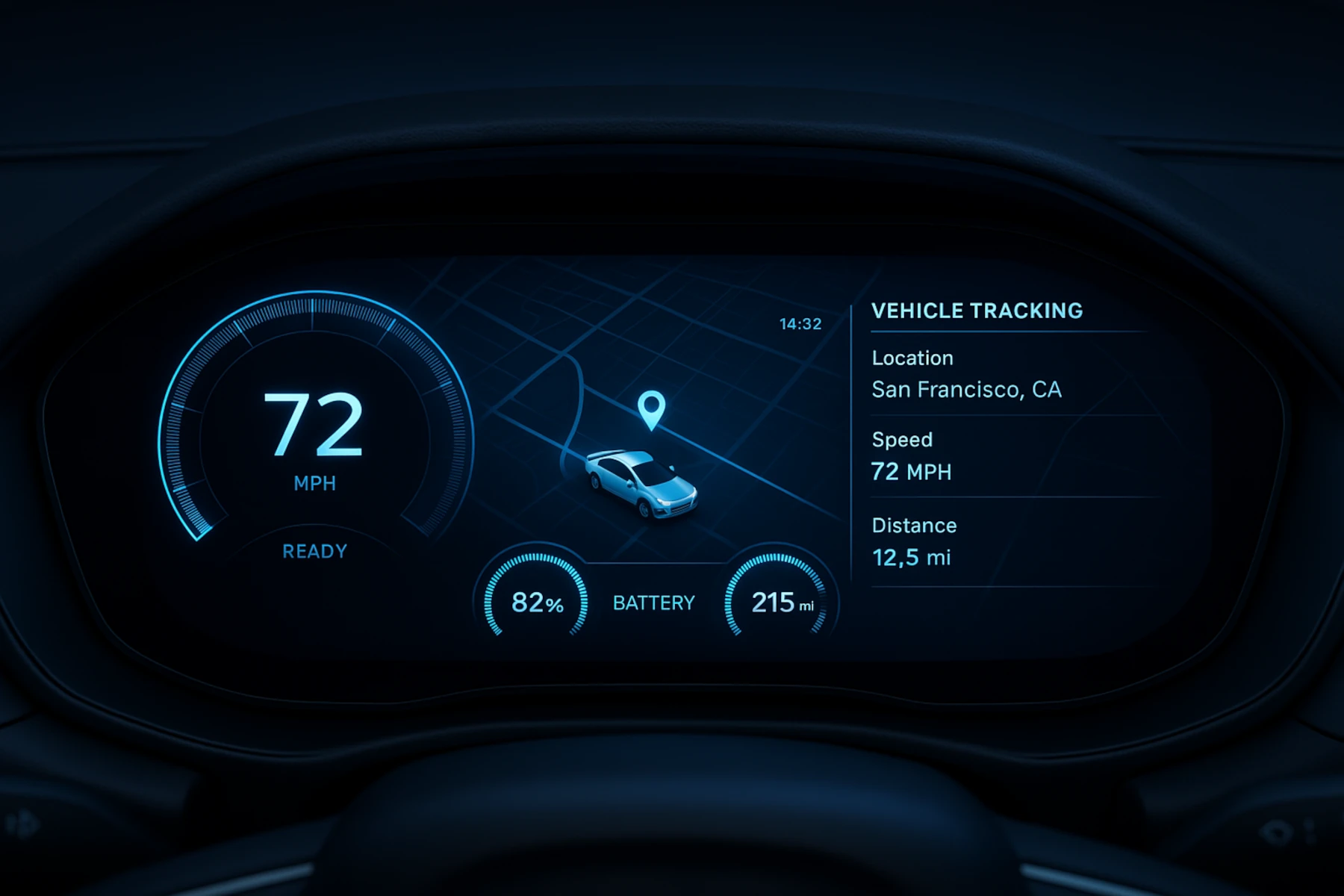
There's a clear case for fitting a vehicle tracker to your car: it helps you locate a stolen vehicle quickly, allows emergency services to reach you faster, and gives you feedback to encourage safer driving. You can monitor routes, deter thieves, prove journeys, and often secure lower insurance premiums. A discreet tracker gives you peace of mind and practical tools to protect your vehicle and everyone who travels in it.
You gain tangible benefits beyond the simple location of your vehicle. Real‑time tracking gives position updates typically accurate to 5–10 metres, and insurers often offer discounts of 5–20%, Built‑in telematics help cut fuel use and wear by improving route choice and driver habits. Fleet managers use historical routes to prove deliveries and resolve disputes. While private drivers use geofencing and alerts to monitor parking zones and young drivers, turning data into measurable savings and safer journeys.
Silent tracking and instant alerts let you know if your vehicle moves outside set zones or at odd hours, with many systems sending notifications within seconds. Remote immobilisation features can prevent a stolen vehicle from being driven away, and tamper alerts warn you if the device is being interfered with. You can also share live location with authorised contacts or recovery services for faster intervention.
Trackers significantly speed up recovery by giving police precise coordinates and movement history, often allowing location within 5–10 metres. Many recovery cases see the vehicle located in hours rather than days. This is because live GPS data and SIM connectivity let you provide real‑time updates to enforcement or specialist recovery firms. That immediate evidence also strengthens insurance claims.
Effective recovery depends on specific device features. For example, silent tracking prevents thieves from noticing signals, and tamper and power‑cut alerts notify you if the unit is disabled. Certain models with backup batteries can continue transmitting for 24–72 hours. Some providers offer monitored services that coordinate directly with police and recovery teams, cutting downtime and increasing the chance of full recovery.
Live GPS feeds let you see your vehicle's position on a map with updates as frequent as every 5–10 seconds. This enables precise monitoring of speed, direction and stop duration. Fleet operators report improvements in recovery rates after theft. Trackers can boost stolen-vehicle recovery by up to 40% by supplying exact coordinates to police within minutes, while drivers can share live links with emergency contacts or roadside assistance for immediate guidance.
If your vehicle is involved in an accident or stolen, an SOS button or automatic crash alert sends your location directly to control centres and, in the EU, can feed into the 112 eCall system. This functionality has been estimated to cut emergency response times by up to 50% in rural areas, as crews receive exact coordinates instead of vague descriptions, letting you and responders act faster and with greater accuracy.
Smart route optimisation uses live traffic, historical data and ETA windows to reroute you around congestion, shortening trips and reducing fuel use. For example, many fleets report 10–15% fuel savings and around a 12% reduction in mileage after implementation. You gain better delivery predictability, fewer late arrivals and lower running costs, with visual route adjustments pushed to your device in real time.
Algorithms combine real-time traffic, predicted congestion, delivery time windows and geofencing to produce the most efficient sequence of stops; dynamic rerouting can shave minutes off urban journeys and prevent long diversions during incidents. Practical examples show reduced idle time and fewer empty miles, translating into lower fuel bills and a measurable cut in CO2 emissions for your vehicle or fleet.
You'll see immediate financial and practical gains: insurers increasingly reward telematics with lower premiums, while theft recovery rates improve because trackers help locate stolen vehicles fast. Studies report crash reductions of about 20–30% for drivers who receive behaviour feedback, and some fleets have cut insurance costs and downtime by double-digit percentages after fitting trackers. Clear, timestamped data also strengthens your position in disputes, reducing settlement time and contested claims.
Insurers often price telematics policies to reflect actual behaviour, offering 10–30% typical savings and in some cases up to 25%+ for low-risk drivers; therefore young drivers who prove safe habits can see the largest reductions. Pay-as-you-drive schemes reward lower mileage, while safe-driving bonuses are applied when your vehicle tracker shows steady speeds, gentle braking and off-peak travel patterns.
Trackers supply precise event data, location, time, and driving metrics, so you can present objective evidence after an incident. This real-time data speeds investigations and helps insurers detect fraud, lowering the chance of disputed payouts. Faster verification often means quicker authorisation for repairs or hire cars, reducing your inconvenience.
For example, if your car is hit, your tracker records exact speed, braking and GPS coordinates, allowing insurers to reconstruct the event. That level of detail can cut claim handling from weeks to 48–72 hours for straightforward cases, and increases the likelihood of full recovery for stolen vehicles by aiding police and recovery teams.
Vehicle trackers let you monitor live vehicle locations, route adherence and idle time. Studies show telematics can cut fuel consumption by 10–15% and reduce idle time by about 20%. With optimisation you may shave hours off daily schedules, one delivery operator reported an 18% drop in average route time, so you dispatch fewer vehicles and lower operating costs. Use real‑time routing and geofencing to respond to traffic and customer changes instantly.
Trackers create driver scorecards from data like speeding, harsh braking and PTO events. Many fleets report accident rates falling 20–40% after implementing telematics. You can set alerts for repeated offences and tie incentives to measurable KPIs, making disciplinary action and coaching based on objective data rather than anecdote. Timestamped speed and location logs strengthen compliance and deterrence.
Beyond scorecards, telematics lets you run targeted coaching for your drivers. You can run a 30‑day report showing each driver's top three risk events, replay incidents with GPS and accelerometer data, and integrate forward‑facing cameras for visual context. This timestamped evidence supports fair performance reviews and can deliver insurance discounts of 5–15%, reducing liability costs during claims.
Vehicle trackers expose where your miles, idle time and detours waste fuel, so you can optimise routes and schedules. Telematics programmes commonly deliver 10–20% fuel savings for fleets. By cutting unnecessary running you lower tailpipe emissions, reduce maintenance from wear caused by stop-start driving, and document greener performance for any environmental reporting you must file.
Route optimisation trims distance and idle minutes, directly reducing CO2; if your car does 20,000 kilometres a year, a 10% cut saves 2,000 km and several dozen litres of fuel. Many operators report measurable CO2 reductions within months, especially where trackers eliminate repeated customer calls, detours and empty return trips.
Real-time fuel data and GPS let you spot anomalies, sudden drops in tank level or extra consumption tied to harsh driving, so you can act fast. Integrating vehicle trackers with fuel cards helps you reconcile purchases, detect fuel theft and curb wasteful habits that quietly inflate your bills.
You can combine fuel-sensor readings with geofencing to flag fuel loss while a vehicle is stationary, and set alerts for excessive idling or high RPMs. Aggressive driving can raise consumption by up to 20%, so using telematics to score drivers and deliver coaching often produces quick savings. One delivery operator cut fuel costs by around 15% after targeted behaviour changes guided by tracker data.
Compare GPS/GLONASS receivers, 4G/NB‑IoT connectivity and installation type: OBD units plug in, hardwired devices give longer battery life and covert fitment. Aim for 5–10 metre accuracy, update rates under 30 seconds for urban driving, and at least IP67 waterproofing if your vehicle faces harsh weather. Expect subscription fees from £3–£15/month; factor in insurance discounts and potential theft‑recovery services when selecting a model.
Prioritise live tracking, geofence alerts, SOS button and tamper notifications; accuracy of 2–5 metres is available on mid-range units. Choose update frequency (5–60s) based on your use: fleets need frequent pings, private drivers can accept longer intervals. Look for waterproof rating (IP67+), integrated immobiliser control, driver ID via RFID and CAN‑bus data if you want fuel and engine diagnostics alongside location.
Devices range from roughly £30 for basic plugs to £300+ for advanced hardwired units; subscriptions commonly sit between £3 and £20 per month. Cheaper trackers often lack live recovery support or 4G compatibility, creating a false economy. Insurance discounts of around 7–15% can offset costs; assess the break‑even point versus the potential £1,000–£5,000 loss from theft or recovery fees.
Over three years a £80 unit plus £8/month subscription totals about £368 (£80 + 36×£8); compare that to average UK vehicle theft claim of >£3,000. Check network tech, 2G‑only trackers risk service loss as networks are switched off; prefer 4G or NB‑IoT modules. Also verify data storage, GDPR compliance and a warranty of at least 12 months to protect your investment.
Taking this into account, you should consider a vehicle tracker because it helps recover your vehicle after theft, reduces fuel use by encouraging better driving, and alerts you to maintenance needs. It can lower insurance costs and give you clear journey data. With straightforward installation and tangible benefits, a tracker supports safer, smarter ownership of your vehicle.
A: A vehicle tracker is a small device that uses GPS to find a vehicle's position. It sends that position over a mobile network to an app or web portal. You can see the vehicle live or view past journeys. Some trackers also use sensors to show speed, battery status and ignition on/off.
A: A visible tracker can put off thieves. If a vehicle is moved without permission, the tracker can send an alert. Many trackers let you lock the engine or notify the police with a location. Fast recovery reduces the chance of a total loss.
A: Many insurers offer a discount for fitted trackers because they cut theft risk and can speed up recovery. Discounts vary by policy and provider, so check with your insurer. For fleets or young drivers, savings can be larger when the tracker shows safe driving.
A: Yes. Trackers give reports on speed, harsh braking and idling. Those reports make it easier to fix bad habits. Better driving means less wear and lower fuel use. For businesses, route optimisation cuts mileage and costs.
A: Many trackers are plug-and-play and fit into the OBD port. Others need a professional hardwired fit. Choose a provider that uses strong encryption and clear data protection policies. Check they follow local data protection laws and let you control who can see your data.


Headstone Cartech is an independent car accessory specialist in Harrow, London. We offer the latest car accessories, fitting audio systems, trackers, immobilisers and dash cams with care, for drivers in our local community.