Headstone Cartech Blog
Headstone Cartech Blog

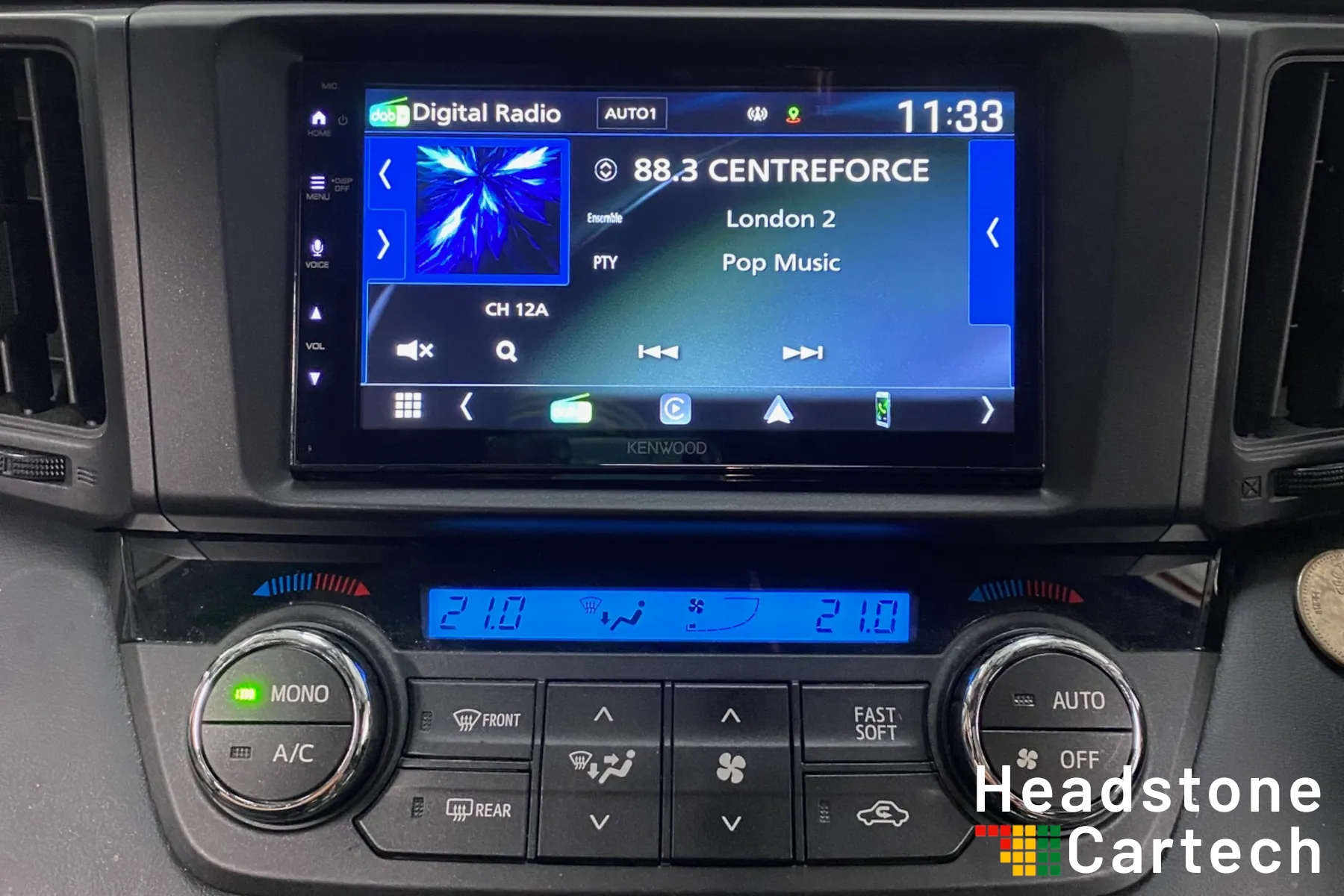
Picture this: you're stuck in traffic on the North Circular, your phone's ringing, and you're fumbling with that tiny factory screen that hasn't been updated since 2015. Sound familiar? An Apple CarPlay Android Auto upgrade isn't just about fancy tech or keeping up with the Joneses. It's about transforming your daily drive from frustrating to functional, and recent expert testing has shown just how far behind many factory systems really are.
Here's the thing. Most of us spend more time in our cars than we'd care to admit. Whether you're commuting to work, doing the school run, or heading off on a weekend adventure, your car's audio and connectivity system is constantly working. So when it falls short, it's not just annoying. It's a daily headache that affects everything from safety to sanity.
At Headstone Cartech in Harrow, we see this frustration every day. People walk in with perfectly good cars, but they're fed up with clunky Bluetooth connections that drop calls mid-conversation, navigation systems that haven't been updated since Boris Johnson was mayor of London, and audio quality that makes your favourite podcast sound like it's being broadcast from the bottom of a well.
Auto Express recently put factory car stereos through their paces, and the results were eye-opening. They brought in an audio expert from Richer Sounds to test standard and premium systems in popular models like the Volkswagen Golf, Kia Sportage, and BMW i4. What they found was pretty telling.
The basic systems struggled with what audio nerds call 'multiple frequencies'. In plain English? When a song has lots going on (deep bass, vocals, and high notes all at once), cheaper systems can't handle it. The expert described the Kia's standard setup as producing a 'muddy sound that just mashes everything together'. Not ideal when you're trying to enjoy your music or, more importantly, hear clear navigation instructions.
Even the VW Golf's standard system, which actually performed better than expected with strong bass, hit a wall when playing classical music. The system made 'a little pop and sounds almost a bit crispy' during complex sections. Now, you might not listen to orchestral music on your commute, but the same limitation affects podcasts with multiple speakers or even phone calls with background noise.
The numbers tell their own story. Basic systems typically have six to eight speakers scattered around the cabin. Premium systems? Some pack in 17 or more, each positioned to create a specific sound stage. But here's where it gets interesting for those of us who don't have thousands to spend on factory upgrades.
Sound quality is only half the story. Many factory systems, especially in cars a few years old, either lack smartphone integration entirely or offer the most basic Bluetooth connection. You know the type. It takes three attempts to pair, drops out when you go under a bridge, and limits you to whatever clunky interface the manufacturer designed back in the day.
Research from McKinsey & Co. shows that 30% of car buyers now consider smartphone integration a must-have feature, with some willing to pay extra for it. That's not just tech enthusiasts. That's regular drivers who've realised how much easier life is when your phone and car actually talk to each other properly.
Think about it. How often do you use your phone for navigation instead of your car's built-in system? How many times have you risked a glance at your phone screen because your car's display is too small or too slow? An upgrade car stereo Apple CarPlay system solves these problems in one go.
Right, so factory systems can be a bit rubbish. But what actually changes when you upgrade? Quite a lot, as it turns out, and not all of it is obvious at first glance.
Your smartphone contains a surprisingly powerful piece of kit called a DAC, a digital-to-audio converter. Modern phones have better audio processing than many car manufacturers built into their base models five years ago. When you connect via proper Apple CarPlay or Android Auto (not just Bluetooth), you're using your phone's superior hardware to process the sound.
The difference hit me when I first tested a Kenwood upgrade in my own car. I'd been listening to the same Spotify playlist on my commute for months. With the new system, I heard details I'd never noticed before. Backing vocals, subtle guitar riffs, the actual bassline rather than just a muddy thump. It wasn't just louder; it was clearer across the entire frequency range.
Streaming services like Spotify Premium, Apple Music Lossless, and Tidal can deliver high-quality audio that factory Bluetooth connections simply can't handle. An Apple CarPlay Android Auto head unit upgrade unlocks this quality because it uses a wired or proper wireless connection designed for higher bandwidth.
Let's talk about what smartphone integration really means. It's not just mirroring your phone screen (though that's part of it). It's having access to the apps you actually use, displayed on a screen you can actually see, with controls you can actually reach.
Navigation through Google Maps or Waze beats most factory satnav systems hands down. Why? Because they update in real-time, they know about traffic jams before you hit them, and they actually understand UK roundabouts. I once watched a mate's factory system try to navigate around a temporary road closure. It kept insisting he drive straight through the barriers. Google Maps? It already knew about the diversion before we left the house.
Then there's messaging. With proper voice integration, you can send and receive texts without ever looking at a screen. Your mate asks if you can pick up milk? Just say 'Hey Siri, tell Tom yes' or 'OK Google, reply I'll grab some'. Done. No fumbling, no distraction, no points on your licence.
Different manufacturers offer different approaches. A Toyota Apple CarPlay and Android Auto upgrade will look different from a BMW 8.8-inch CarPlay & Android Auto display upgrade, but the core functionality remains the same: your phone's apps, your car's screen, no hassle.
Factory voice control systems are famously awful. You know the drill: press the button, wait for the beep, carefully enunciate your request like you're talking to a slightly deaf relative, then watch the system completely misunderstand you.
Siri and Google Assistant aren't perfect, but they're leagues ahead because they're constantly being updated and improved. They understand natural language. You don't need to memorise specific commands or speak like a robot. 'Navigate to the nearest petrol station' works just as well as 'Find me fuel nearby' or 'Where can I fill up?'
More importantly, they're safer. Studies show that drivers using Android Auto score higher satisfaction ratings, 832 out of 1,000 compared to 805 for factory systems. Part of that satisfaction comes from not having to take your eyes off the road to interact with your car.
An aftermarket Apple CarPlay installation delivers benefits that go way beyond better speakers and clearer phone calls. It's about bringing your car into the same century as your phone.
Modern head units come with touchscreens that respond like your smartphone. No lag, no guesswork, no frustration. Remember those old resistive screens that needed a firm poke? Gone. These are the same capacitive screens you use on your phone, which means gestures work (pinch to zoom on maps, swipe to change tracks) and the interface feels familiar from the moment you turn it on.
The app ecosystem matters more than you might think. Spotify, BBC Sounds, Audible, WhatsApp – whatever you use on your phone works in your car. Fancy listening to that new podcast everyone's banging on about? It's right there. Need to check the football scores? Your sports app works too. Factory systems, even expensive ones, lock you into their limited selection of approved apps.
Then there's integration with the rest of your digital life. Calendar appointments appear with navigation options. Your smart home can tell your car when you're on your way. Some systems even learn your routines. Leave for work at 8am every weekday, and it'll automatically load your usual route and queue up your morning playlist.
Before you rush off to book an installation, there are a few things worth thinking about. Not every upgrade is the same, and what works brilliantly in one car might not be ideal for yours.
Vehicle compatibility is the big one. Modern cars are complicated beasts with everything connected to everything else. A Ford Transit Custom Apple CarPlay & Android Auto stereo upgrade requires different hardware and installation expertise compared to a Mazda Connect Apple CarPlay and Android Auto upgrade. The good news? Most popular models have well-established upgrade paths, so the hard work has already been done.
Steering wheel controls are something people don't think about until they lose them. You're used to changing volume and skipping tracks without looking, right? A proper installation preserves these controls. We use adapters that translate your factory steering wheel buttons to work with the new head unit, so nothing changes from your perspective.
If you've got a reversing camera, that needs to stay functional too. Same goes for parking sensors, though those usually connect separately to the head unit anyway. The point is, upgrading shouldn't mean losing features you already have and use.
Factory feature preservation matters more as cars get smarter. Some vehicles display important information through the infotainment screen: tyre pressures, fuel economy, vehicle settings. A quality car audio upgrade CarPlay system can integrate with these features, or in some cases, the installation keeps the original screen for vehicle functions while adding a new one for entertainment and navigation.
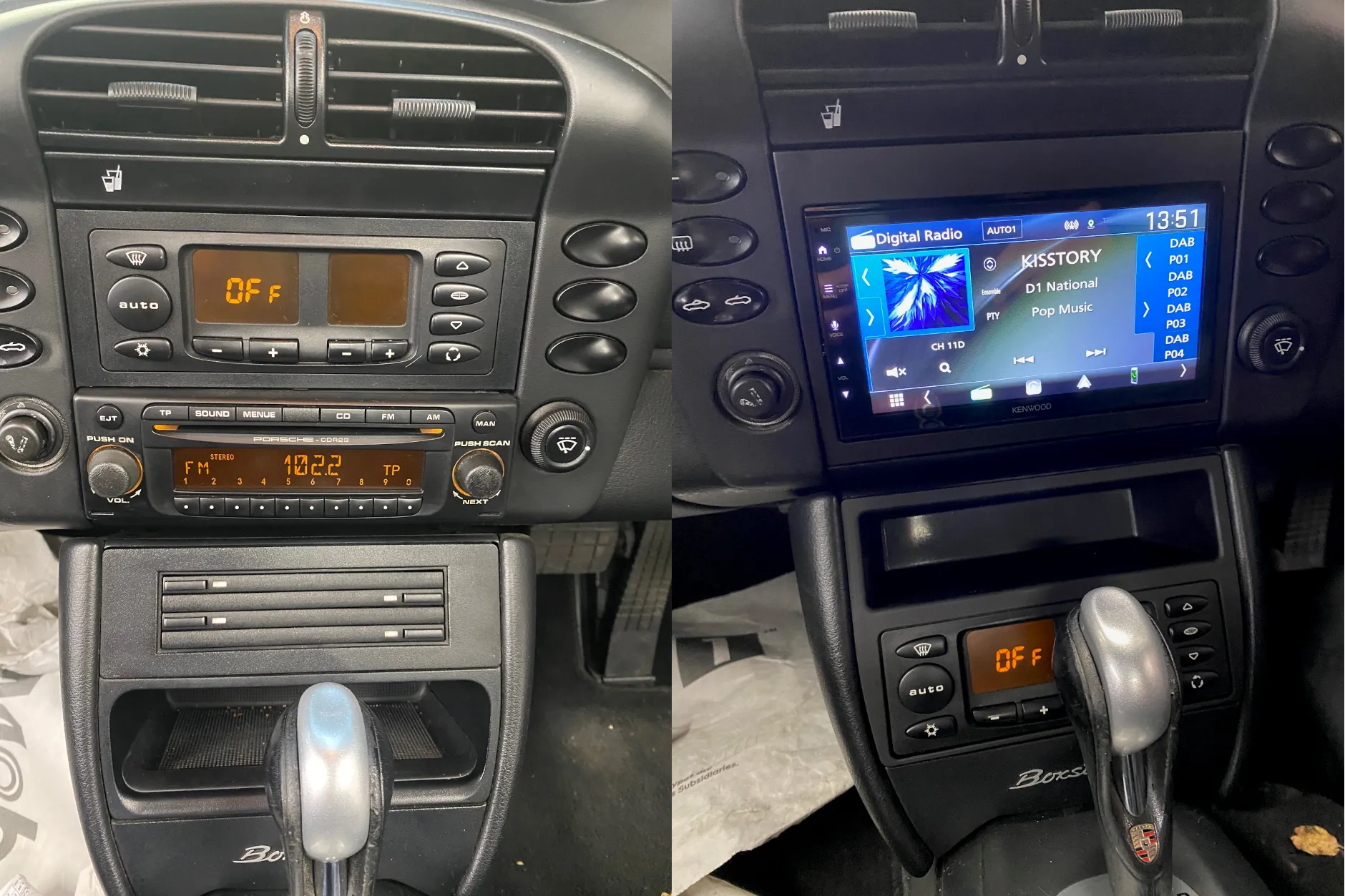
Look, I get it. YouTube makes everything look easy, and there are plenty of 'how to fit Apple CarPlay yourself' videos out there. But here's why professional installation isn't just paying someone to do something you could do yourself. It's about getting it right the first time.
Modern cars are full of electronics that don't take kindly to amateur wiring jobs. One wrong connection and you could trigger fault codes, drain your battery, or worse. At Headstone Cartech, we see at least one DIY disaster every month where someone's tried to save money and ended up spending more fixing the problems they've created.
Proper integration means more than just making it work. It means configuring the system to match your car's specific setup, calibrating audio for your cabin size and speaker positions, and ensuring everything (from your dash cam to your factory amplifier) plays nicely together.
Warranty is another consideration. Many factory warranties include clauses about aftermarket installations. A professional installer knows how to upgrade your system without normally invalidating your warranty. We document everything, use the right connectors, and avoid cutting original wiring wherever possible.
Speaker configuration and calibration deserve special mention. Chuck in a new head unit with old speakers, and you might not hear much difference. Pair it with quality speakers positioned correctly, with the head unit's equaliser properly set up for your specific car model? That's when the magic happens.
Theory is all well and good, but what actually changes in your day-to-day driving? Having installed hundreds of systems, I can tell you exactly what people mention first.
Phone calls become conversations again. No more 'Sorry, you're breaking up' or having to shout to be heard. Modern systems use multiple microphones and noise cancellation to isolate your voice from road noise. Your mum will finally stop complaining that she can't understand you when you're driving.
Navigation becomes something you trust. Real-time traffic updates mean you're not sat in a jam wondering if there's a better route. Speed camera warnings give you a heads-up before that sneaky 30 zone catches you out. And when you need to find somewhere you've never been, you're using the same app you'd use on foot, so the interface is already familiar.
Music actually sounds like music. Bass has depth without drowning out everything else. Vocals sit in the mix where they should. Instruments have separation. You can actually hear what the bassist is doing rather than just feeling a vague rumble. Even podcasts benefit; voices are clearer, and you're not constantly adjusting the volume as you speed up or slow down.
The system remembers things. Last playlist you were listening to? Queued up when you start the car. Regular destination? Suggested automatically. Favourite radio station? Already tuned in. It's the little things that make every journey slightly less annoying.
Here's where things get interesting. That Auto Express test mentioned earlier? The premium factory upgrades they tested cost anywhere from £630 to over £5,000 depending on whether it was a standalone option or bundled with a higher trim level.
An aftermarket installation typically runs between £300 and £1,200 depending on the head unit you choose and how complicated your car is to work on. A Honda Wireless Apple CarPlay & Android Auto upgrade might be at the lower end, while a Ford Sync2 Wireless Apple CarPlay & Android Auto upgrade module could cost more due to the extra integration work required.
But price isn't the whole story. Factory upgrades are only available on new cars or specific trim levels. Already own your car? Aftermarket is your only option unless you fancy trading in. Plus, aftermarket systems often use better hardware than factory equivalents at the same price point because specialist audio manufacturers (like Kenwood, Alpine, or Pioneer) don't have to compromise on cost the way car manufacturers do.
There's also the upgrade path to consider. Buy a top-spec factory system and it's stuck at that specification forever. Aftermarket systems can be upgraded or replaced as technology improves. That head unit you install today won't be obsolete tomorrow just because CarPlay gets updated. The software runs on your phone, remember?
Anyone with a car made before smartphone integration became standard, which is pretty much any vehicle older than five or six years. If your car's infotainment system still has physical buttons and a screen smaller than your phone, you're a prime candidate.
Daily commuters see the biggest quality-of-life improvement. That hour a day in the car adds up to over two weeks of your life each year. Making those journeys less frustrating is worth something, even if it's hard to put a precise number on it.
People who use their car for work (deliveries, site visits, client meetings) benefit hugely from proper navigation and hands-free communication. Being able to take calls without pulling over or fumbling with your phone isn't just convenient; it's often essential.
Families with kids appreciate the entertainment options. Load up a playlist of nursery rhymes or audiobooks, and suddenly that long drive to Grandma's becomes manageable. Plus, with proper voice control, you can skip to the next episode of Bluey without taking your eyes off the road.
Right, let's cut through the technical stuff and get to the heart of it. Is spending a few hundred quid on a car audio upgrade CarPlay system actually worth it?
If you're spending more than a few hours a week in your car, absolutely. The frustration-reduction alone pays for itself in improved mood and reduced stress. Being able to navigate confidently, take calls clearly, and enjoy your music properly makes every journey better.
The safety argument is compelling too. With 98% of new cars now supporting CarPlay or Android Auto as standard, there's a clear industry consensus that proper smartphone integration makes driving safer by reducing the need to handle your phone.
ROI in terms of vehicle value is harder to quantify, but anecdotally, cars with modern infotainment systems sell faster and for slightly more than identical models with dated systems. Buyers, particularly younger ones, expect these features now. It's like air conditioning used to be. Once a luxury, now basically essential.
At Headstone Cartech in Harrow, we've installed systems in everything from 15-year-old Fiestas to nearly-new luxury cars where the factory option was either unavailable or prohibitively expensive. The reaction is almost always the same: 'Why didn't I do this sooner?'
The upgrade process itself is simpler than you might think. Book in for a consultation, we'll show you what's possible for your specific car, you choose the system that fits your budget and needs, and a few hours later you're driving away with a completely transformed interior experience. We handle everything from sourcing the right head unit to configuring the system and making sure all your existing features still work.
Once you've decided to upgrade, the process is pretty straightforward. First visit usually involves assessing your car and discussing what you want from the system. Not everyone needs every feature, and there's no point paying for wireless charging if you're happy to plug in your phone.
We'll talk about screen size (bigger isn't always better, depends on your dashboard layout), wireless vs wired connectivity (wireless is convenient but wired is more reliable), and whether you want to upgrade speakers at the same time. Sometimes the factory speakers are fine; other times they're the weak link holding everything back.
Installation typically takes between two and four hours depending on the car. We're not just swapping out a stereo like you would in an old car. Modern installations involve interface modules, steering wheel control adapters, camera integration, and sometimes custom fascia panels to make everything look factory-fitted.
After installation, we'll walk you through the basics: connecting your phone, adjusting settings, using voice control. Most people pick it up within five minutes because the interface is essentially just your phone screen made bigger. The learning curve is virtually flat.
Ongoing support matters too. Software updates happen automatically through your phone, so the system stays current without you doing anything. If you upgrade your phone, it still works. You might need to pair it again, but that's it. And if something does go wrong, we're here in Harrow to sort it out.
Factory car audio systems range from adequate to excellent, but for most of us driving cars more than a few years old, they're falling behind what modern technology can deliver. An Apple CarPlay Android Auto upgrade bridges that gap, bringing your car's interior up to date without having to buy a new car.
The benefits go beyond just better sound quality or a bigger screen. It's about reducing frustration, improving safety, and making your daily drive something you don't dread. When your car and phone work together properly, everything becomes easier: navigation, communication, entertainment, even just playing your favourite songs without endless menu-diving.
Is it essential? No. Neither is air conditioning, parking sensors, or cruise control. But once you've experienced driving with proper smartphone integration, going back feels like a step backwards. It's one of those upgrades where you don't realise how annoying the old system was until you live with something better.
Whether you're driving a decade-old hatchback or a nearly-new motor that came with a disappointing factory system, there's an upgrade solution that fits. At Headstone Cartech, we specialise in finding the right balance between features, quality, and budget. Pop in to see us in Harrow, or give us a call to discuss what's possible for your car. Your daily commute will thank you for it.
Most cars from 2005 onwards can be upgraded, though the specific installation varies by make and model. Some vehicles use a complete head unit replacement, while others use interface modules that add CarPlay functionality to your existing screen. We assess your specific car during consultation to recommend the best approach.
Not with a professional installation. We use steering wheel control adapters that maintain full functionality of your factory buttons. Volume, track skip, and voice control buttons continue working exactly as before, just now they control your new system instead of the old one.
These features remain fully functional. Aftermarket head units have dedicated camera inputs, and we integrate your existing reversing camera so it displays on the new screen. Parking sensors typically run independently, so they continue working without any changes needed.
Wireless is more convenient (you get in the car and it connects automatically), but wired is more reliable and keeps your phone charged. If you have a short commute and good phone battery life, wireless is lovely. For longer journeys or if you use navigation heavily (which drains batteries), wired makes more sense. Many systems offer both, so you're not locked into one or the other.
Most installations take between two and four hours depending on your vehicle. Simple replacements in older cars are quicker, while modern vehicles with integrated systems need more time for proper interface module installation and testing. We'll give you an accurate time estimate when we assess your car, and you're welcome to wait or drop the car off and collect it later.


Headstone Cartech is an independent car accessory specialist in Harrow, London. We offer the latest car accessories, fitting audio systems, trackers, immobilisers and dash cams with care, for drivers in our local community.